Choosing the right insulation for your industrial facility is crucial for energy efficiency, safety, and regulatory compliance. This guide delves into the various types of industrial insulation, their applications, and the factors to consider when making your selection. Whether you're a facility manager, engineer, or contractor, understanding these nuances will help you optimize your operations and minimize costs.
What Are the Common Types of Industrial Insulation?
Industrial settings demand robust and specialized insulation solutions to withstand harsh conditions and meet stringent safety requirements. Several types are commonly employed, each with unique properties and applications. These include pipe insulation, tank insulation, and equipment insulation, all crucial for maintaining optimal temperatures and protecting personnel. Effective thermal insulation directly impacts energy efficiency and overall operational costs, while acoustic insulation reduces noise pollution within the facility. Selecting the right material depends on factors like temperature range, application, and regulatory compliance. The correct insulation thickness is also crucial for achieving the desired R-value and energy savings. Different insulation materials boast varying thermal conductivities, directly affecting their efficiency in reducing heat transfer.
Pipe Insulation
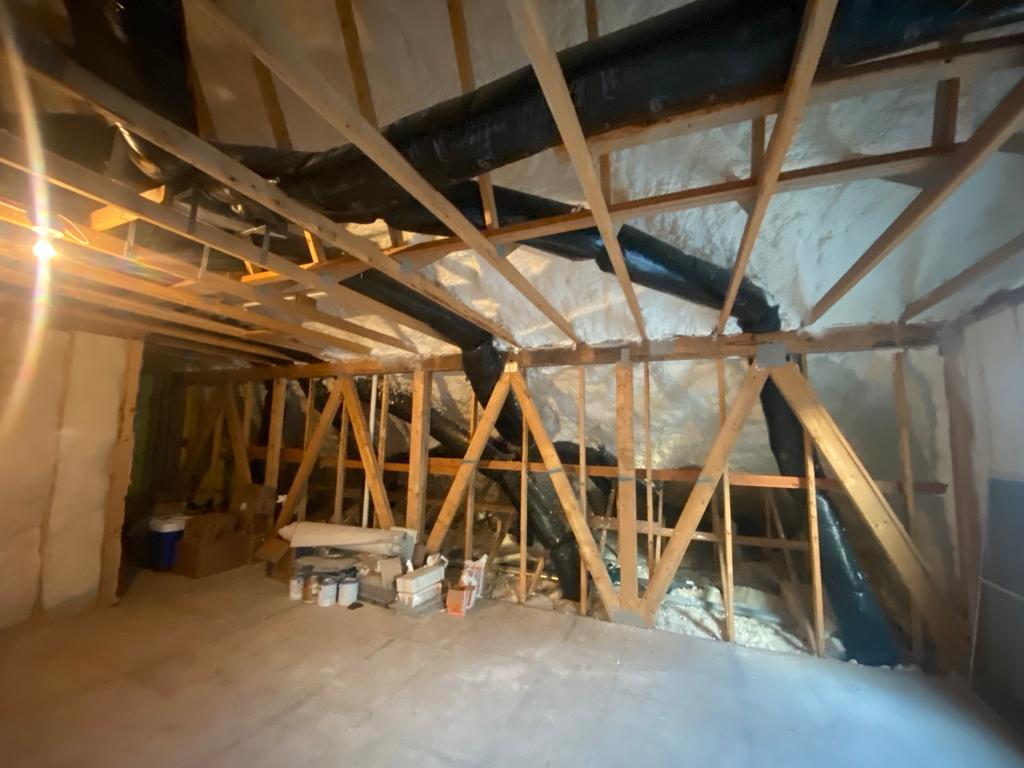
Pipe insulation is essential for preventing heat loss from hot pipes and condensation on cold pipes. Common materials include fiberglass insulation, mineral wool insulation, and polyurethane foam. Fiberglass offers good thermal performance at a relatively low cost, while mineral wool boasts excellent fire resistance. Polyurethane foam, often sprayed on, provides exceptional insulation value but requires skilled application. The choice depends on factors such as temperature extremes, environmental conditions and the pipe's diameter.
Tank Insulation
Tank insulation protects liquid storage from temperature fluctuations. Calcium silicate insulation is frequently used for high-temperature applications due to its excellent thermal stability and fire resistance. Foam insulation, including https://lakewood-nj-07728-u-e-4-2-6.lowescouponn.com/mastering-spray-foam-insulation-application-a-comprehensive-guide-for-2025 polyurethane and polyisocyanurate, are also employed for their high R-value and ease of application, offering effective protection against both heat loss and gain. Selection hinges on the liquid's temperature and the desired level of protection.
Equipment Insulation
Equipment insulation varies significantly depending on the machinery's nature and operating conditions. Acoustic insulation may be needed to reduce noise from machinery. High-temperature insulation, like refractory materials or ceramic fiber, is crucial for furnaces and boilers. For cryogenic applications, specialized insulation like aerogel or multi-layered insulation is necessary to prevent heat gain. The selection process considers operating temperatures, noise reduction requirements, and the specific equipment involved.
How Does Insulation Improve Energy Efficiency in Industrial Settings?
Industrial insulation significantly reduces energy waste by minimizing heat transfer. The insulation's R-value, a measure of thermal resistance, indicates its effectiveness in limiting heat flow. By reducing heat loss in hot processes and heat gain in cold processes, insulation lowers energy consumption and operational costs. This translates to significant savings on fuel or electricity bills, contributing to the overall sustainability of the industrial operation. The choice of insulation material and its thickness are critical factors in determining the final R-value and, ultimately, the efficiency of the system. Proper insulation design ensures maximum energy savings.
What Are High-Temperature and Cryogenic Insulation Options?
High-temperature applications, common in industries such as metal processing, require specialized insulation. Refractory insulation, often made of ceramic fibers or calcium silicate, can withstand extremely high temperatures without significant degradation. Cryogenic applications, which involve very low temperatures, necessitate different approaches. Aerogel, known for its incredibly low thermal conductivity, and multilayer insulation (MLI) are frequently used in cryogenic storage and transportation to minimize heat influx. These materials offer effective solutions for maintaining extreme temperatures, preventing safety hazards and ensuring product quality.
What Is the Role of Insulation in Fire Protection and Safety?
Insulation plays a vital role in fire protection. Many insulation materials possess inherent fire-resistant properties. Mineral wool and calcium silicate, for example, are non-combustible and impede fire spread. Proper installation, including the use of appropriate vapor barriers and fire-rated penetration seals, is crucial in creating a comprehensive fire safety system. Furthermore, well-insulated equipment can reduce the risk of burns from hot surfaces and prevent overheating, enhancing worker safety. Following relevant safety regulations and using certified materials are paramount.
How Do I Choose the Right Insulation for My Industrial Needs?
Selecting the right insulation involves considering several factors, including temperature range, application, environmental conditions, fire safety requirements, and budget. Detailed insulation specifications should be established based on these factors. Consulting with experienced insulation contractors or engineers is highly recommended. They can help determine the best materials, thicknesses, and installation methods to ensure optimal performance and regulatory compliance. Prioritizing energy efficiency and cost-effective insulation solutions is key to a successful project.
What Are the Costs Associated with Industrial Insulation?
The costs of industrial insulation vary based on the materials selected, installation complexity, and project scale. Material costs range widely depending on the type and quality of insulation chosen. Installation labor costs also contribute significantly to the overall expense, often influenced by the access challenges and the necessary specialized equipment. It's critical to balance initial costs with long-term energy savings and reduced maintenance. An efficient insulation design minimizes the overall life cycle cost, including any needed repair or replacement over the material's lifespan.
What Are the Environmental Considerations for Industrial Insulation?
Environmental responsibility is crucial when selecting industrial insulation. Several materials contain hazardous substances, including asbestos. Asbestos abatement is strictly regulated and must be handled by qualified professionals. Choosing environmentally friendly insulation options, such as those made from recycled materials or with low global warming potential, minimizes the environmental impact. Adherence to current regulations concerning hazardous materials and proper disposal practices is vital. Selecting sustainable insulation promotes corporate social responsibility and minimizes long-term environmental liabilities.
Frequently Asked Questions
1. What are the benefits of industrial insulation? Industrial insulation offers numerous benefits, including reduced energy consumption, improved safety, reduced noise levels, and enhanced equipment protection.
2. How do I maintain industrial insulation? Regular inspections for damage, moisture intrusion, and degradation are vital. Prompt repairs or replacement are necessary to maintain the insulation's effectiveness.
3. Are there any hazardous materials in industrial insulation? Yes, some older insulation materials, such as asbestos, are hazardous. Proper identification and safe removal are essential.
4. What is the average lifespan of industrial insulation? The lifespan varies greatly depending on the material, environmental conditions, and installation quality. Regular inspections are key to ensuring the insulation's longevity.
5. Can insulation improve safety in industrial environments? Yes, appropriate insulation reduces the risk of burns from hot surfaces, prevents fire spread, and mitigates noise pollution, improving worker safety and overall operational security.
In conclusion, selecting and installing the correct industrial insulation is a multifaceted process demanding careful consideration of various factors. By understanding the different types of insulation, their applications, and the associated costs and environmental impacts, you can make informed decisions that optimize energy efficiency, enhance safety, and meet regulatory compliance. Partnering with experienced insulation contractors ensures a successful project from design to installation. Remember, prioritizing sustainability and cost-effectiveness throughout the process results in substantial long-term advantages for your facility.