Investing in proper home insulation is one of the smartest decisions a homeowner can make. It dramatically impacts your comfort, energy bills, and even your home's resale value. But with so many options available, choosing the right insulation for your specific climate can feel overwhelming. This guide will break down everything you need to know to make the best choice for your home and climate.
Why is Insulation Crucial for Your Home's Energy Efficiency?
Insulation is your home's first line of defense against heat transfer, significantly impacting your energy efficiency, comfort levels, and heating and cooling costs. Its primary function is to resist the flow of heat, reducing the amount of energy needed to maintain a comfortable indoor temperature. High-performance insulation with superior thermal resistance (R-value) minimizes air leakage, a major contributor to energy loss. Proper insulation creates a more consistent indoor temperature, reducing drafts and discomfort while also improving soundproofing and potentially offering protection against pests. A well-insulated home is a more comfortable and energy-efficient home, leading to lower utility bills and a smaller environmental footprint. Consider factors like your local climate, house design, and building construction when selecting your insulation.
Exploring the Diverse World of Home Insulation Materials
Various insulation materials cater to diverse needs and climates. Each material offers unique characteristics in terms of R-value, cost-effectiveness, and installation ease. Understanding these differences is key to making an informed choice.
Understanding Fiberglass Insulation: A Cost-Effective Choice
Fiberglass insulation remains a popular and cost-effective option. Its relatively low cost and ease of installation make it an attractive choice for many homeowners. While offering decent thermal resistance (R-value), its effectiveness depends on proper installation to prevent air leakage. It’s also known for its soundproofing capabilities and moisture control properties, when installed correctly.
Cellulose Insulation: An Eco-Friendly and Sustainable Solution
Made from recycled paper, cellulose insulation is an eco-friendly and sustainable choice. It boasts excellent thermal resistance and fire resistance, thanks to its borate treatment. Cellulose also provides decent soundproofing and is known for its effective pest control, acting as a deterrent to various insects and rodents. This makes it a great sustainable insulation choice for environmentally conscious homeowners.
Spray Foam Insulation: High-Performance Insulation and Air Sealing
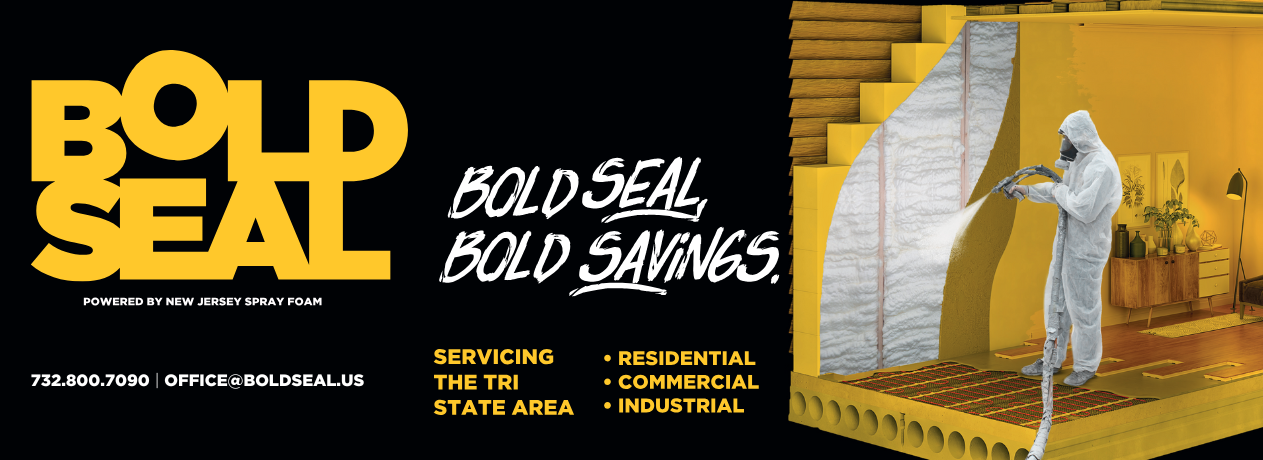
Spray foam insulation stands out for its exceptional air sealing capabilities. Its high R-value makes it a top performer in energy efficiency, significantly reducing heating and cooling costs. Unlike other insulation types, it fills all gaps and cracks, creating an airtight barrier against heat transfer and air leakage. While it tends to be more expensive initially, its long-term energy savings can make it a worthwhile investment, especially in extreme climates.
Mineral Wool Insulation: Superior Thermal Resistance and Sound Dampening
Mineral wool, including rock wool and glass wool, is known for its high thermal resistance and exceptional sound-dampening properties. Its excellent thermal conductivity makes it ideal for both new construction and retrofit projects. In addition, it’s naturally fire-resistant, water-resistant and offers good moisture control, making it a durable and safe option.
Foam Board Insulation: Simple Installation for Foundation and Exterior Walls
Foam board insulation offers excellent thermal conductivity and is relatively easy to install. This makes it a popular choice for foundation insulation, exterior walls, and even roofing applications. Its high R-value per inch makes it effective, even in thinner applications, increasing its versatility.
Climate's Influence on Insulation Selection: A Regional Approach
Your climate significantly influences the best insulation type for your home. Regional climate variations, including winter weather, summer weather, and humidity levels, directly impact your energy consumption. Extreme weather conditions, such as intense heat waves or freezing temperatures, necessitate higher R-values to maintain comfortable temperatures while reducing energy waste. Temperature fluctuations throughout the year also affect the ideal insulation choice.
Recommended R-Values: A Guide Based on Climate Zone
Determining the appropriate R-value is crucial for optimal energy efficiency. Building codes often specify minimum R-values for different climate zones and construction types. Higher R-values generally provide better insulation, leading to greater energy savings and improved comfort. This R-value chart, along with regional climate considerations and building codes, should guide your insulation selection. Remember to always consult local building codes and energy efficiency guidelines for precise requirements.
Insulation Installation: DIY vs. Professional Expertise
While some insulation types allow for DIY installation, particularly fiberglass batts or foam boards, more complex options like spray foam often necessitate professional expertise. Professional installers have the skills and experience to ensure proper installation, maximizing insulation effectiveness and avoiding costly mistakes. Proper insulation installation is vital for achieving optimal performance and avoiding future problems. Involving a professional ensures compliance with building codes and warranty requirements.
Cost Considerations and Long-Term Savings with Insulation
https://penzu.com/p/5718082fc25977e7The initial cost of insulation varies by material, thickness, and installation method. While premium insulation options may have higher upfront costs, their superior R-values often translate to significant long-term savings on energy bills. Carefully weigh the initial investment against the potential for lower heating and cooling costs over the insulation's lifespan. Budget insulation choices can still offer substantial energy savings if chosen appropriately for your climate and installed correctly.
The Benefits of Superior Insulation: Enhanced Comfort and Environmental Impact
Good insulation offers numerous benefits beyond lower energy bills. It creates a more comfortable indoor environment by minimizing temperature fluctuations and drafts. This enhanced comfort level contributes to better sleep and overall well-being. Furthermore, reduced energy consumption minimizes your home's environmental impact, contributing to a smaller carbon footprint. Insulation also contributes to improved indoor air quality by limiting air leakage and reducing the potential for moisture buildup, which can promote mold growth.
Conducting an Energy Audit and Air Sealing Strategies
An energy audit identifies areas in your home where heat is escaping. This helps pinpoint the most beneficial places for insulation upgrades. Air sealing works in tandem with insulation; sealing air leaks before installing insulation maximizes its efficiency. Air sealing is an important part of achieving optimal home insulation. It prevents air leakage that would negatively affect the effectiveness of the insulation. It is highly recommended to conduct an energy audit to correctly determine the most efficient areas for insulation.
Emerging Insulation Technologies and Sustainable Practices
Insulation technology constantly evolves. Emerging technologies aim to improve R-values, sustainability, and installation processes. Researching the latest innovations in insulation technology can lead to advancements in energy efficiency, comfort levels, and environmentally responsible solutions. New and innovative insulation solutions that focus on sustainability and environmental responsibility are being developed and constantly improving.
Frequently Asked Questions (FAQ)
What is R-value and why is it important? R-value measures insulation's thermal resistance; a higher R-value indicates better heat resistance, leading to improved energy efficiency.
Can I install insulation myself or should I hire a professional? DIY installation is feasible for some types but professional installation often ensures optimal results.
How often should I replace my insulation? Insulation lifespan varies, but signs of damage or poor performance indicate the need for replacement.
What factors influence insulation cost? Material type, installation method, home size, and labor costs significantly affect the overall cost.
How can I improve my home's energy efficiency besides insulation? Consider air sealing, energy-efficient windows and doors, and HVAC system upgrades.
Choosing the right insulation for your home and climate is a crucial step toward energy efficiency, comfort, and environmental responsibility. By considering the factors discussed in this guide, you'll be well-equipped to make an informed decision that benefits your home and wallet for years to come. Contact a local insulation contractor today for a consultation!